Traveling the world is a life-changing experience, but it also comes with a responsibility—one that’s becoming more urgent in today’s eco-conscious world. More people are waking up to the impact their travel has on the environment, and one solution that’s growing in popularity is zero-waste travel. But why does zero-waste travel matter, and how can we make a difference while exploring the world?
In this article, we’ll explore the importance of adopting a zero-waste travel mindset, why it’s crucial for the planet, and how simple changes in our travel habits can lead to a more sustainable future.
1. Introduction: Understanding Zero-Waste Travel
Zero-waste travel is an approach to traveling that focuses on reducing waste, reusing what you can, and minimizing your environmental footprint. It’s about leaving a place just as beautiful—or even more so—than you found it. Whether you’re hiking through pristine nature or staying in a bustling city, the goal is to make as little impact as possible on the planet.
What Is Zero-Waste?
At its core, zero waste is about minimizing waste, especially the kind that ends up in landfills. In the context of travel, this means reducing packaging waste, cutting down on single-use plastics, and being mindful of what you bring back from your trips (souvenirs included!).
2. The Environmental Impact of Travel
Travel, especially in the age of mass tourism, has a significant impact on the environment. From carbon emissions associated with flights to plastic pollution from hotels and beaches, the travel industry contributes heavily to the depletion of natural resources and the degradation of ecosystems.
2.1 The Carbon Footprint of Travel
Air travel is one of the biggest contributors to an individual’s carbon footprint. According to the International Air Transport Association (IATA), the aviation industry accounts for about 2-3% of global carbon emissions. A flight from New York to Paris can produce the same amount of CO2 as an entire year of driving a car in a developing country.
2.2 The Waste Crisis in Popular Destinations
Popular tourist spots are often overrun with plastic waste—plastic bottles, food wrappers, straws, and packaging—that ultimately pollute oceans, rivers, and landscapes. Single-use plastic is one of the most pervasive environmental issues of our time, and travel can exacerbate this problem.
3. How Zero-Waste Travel Benefits the Environment
Adopting a zero-waste approach to travel not only helps reduce pollution but also encourages sustainable tourism practices that preserve the beauty and health of natural destinations. Let’s take a look at some of the key environmental benefits of zero-waste travel.
3.1 Reduces Plastic Pollution
By choosing reusable water bottles, avoiding plastic straws, and supporting businesses that reduce plastic waste, travelers can make a significant difference in reducing the amount of plastic that ends up in oceans and landfills.
3.2 Promotes Sustainable Tourism
Zero-waste travel supports local businesses that are committed to sustainability. By staying at eco-friendly hotels, eating at zero-waste restaurants, or supporting local artisans, you’re encouraging more ethical practices in the travel industry.
3.3 Conserves Resources
Choosing environmentally conscious travel options, such as using public transportation or biking instead of renting cars, can help conserve energy and reduce overall resource consumption. Traveling sustainably means leaving a lighter footprint, which benefits the environment in the long run.
4. How to Embrace Zero-Waste Travel
It may sound like a daunting task, but embracing zero-waste travel is easier than you might think. Here are some simple yet effective ways to make your travels more sustainable.
4.1 Packing Smart
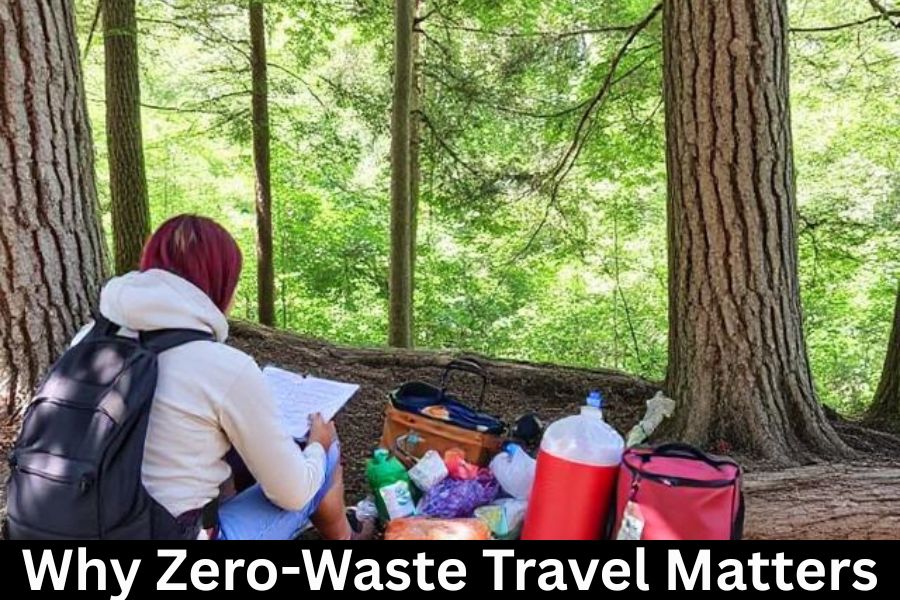
Packing with a zero-waste mindset starts with being mindful of what you bring. Opt for reusable items like a metal water bottle, cloth bags, bamboo cutlery, and a travel mug for coffee. These simple items can help you avoid relying on disposable packaging.
4.2 Choosing Eco-Friendly Accommodations
When booking your accommodations, look for eco-friendly hotels, hostels, or Airbnb properties that focus on sustainability. These places often have energy-efficient systems, waste reduction programs, and initiatives to minimize their environmental impact.
4.3 Avoiding Single-Use Plastics
One of the easiest ways to reduce waste while traveling is to avoid single-use plastics. This means saying no to plastic straws, plastic bags, and bottled water. Instead, opt for reusable options, like bringing your own shopping bag or buying a refillable water bottle.
4.4 Supporting Local and Sustainable Dining
Choose restaurants that focus on locally sourced and organic ingredients, and don’t be afraid to ask about their sustainability practices. Many restaurants today are more than happy to accommodate your eco-friendly preferences.
5. The Social Impact of Zero-Waste Travel
While the environmental benefits of zero-waste travel are clear, there’s also a strong social impact. By promoting sustainable practices, travelers help raise awareness about the importance of conservation and the need for a more sustainable future.
5.1 Raising Awareness in Local Communities
Zero-waste travelers can also help spread awareness about sustainable practices by engaging with local communities. Sharing knowledge about reducing waste, recycling, and conserving resources can have a ripple effect, encouraging more responsible behavior.
5.2 Supporting Local Economies
Eco-friendly tourism can have a positive impact on local economies by encouraging the growth of sustainable businesses. From local guides to farmers’ markets, supporting businesses that prioritize the environment helps foster a more resilient and sustainable economy.
6. Overcoming the Challenges of Zero-Waste Travel
Adopting a zero-waste travel lifestyle may come with some challenges, especially in regions where waste management systems aren’t as developed. However, there are ways to overcome these obstacles and make the most of your eco-friendly journey.
6.1 Limited Availability of Recyclable Materials
In some parts of the world, waste management facilities may not be as efficient as in others, which can make recycling or composting a challenge. In such cases, focus on reducing waste as much as possible by avoiding unnecessary packaging and bringing your own reusables.
6.2 The Cost of Eco-Friendly Options
Eco-friendly products, such as reusable bags or water bottles, can sometimes be more expensive upfront. However, they often save money in the long run by reducing the need for single-use items. Additionally, the positive impact on the environment and local communities is priceless.
7. The Role of Technology in Zero-Waste Travel
Technology plays an increasingly important role in making travel more sustainable. From apps that help travelers find eco-friendly accommodations to websites that provide information about waste-free destinations, the digital age is making it easier than ever to plan an eco-conscious trip.
7.1 Apps for Sustainable Travel
Several apps can help travelers track their waste, find sustainable travel options, and reduce their environmental impact. Apps like Green Key or Sustainable Travel International can provide guidance on sustainable accommodation choices, restaurants, and activities.
7.2 Digital Ticketing and Paperless Travel
Many airlines, hotels, and tour companies now offer digital ticketing and paperless check-ins, reducing the need for printed materials. Opting for these services helps cut down on paper waste.
8. Conclusion: Why Zero-Waste Travel is the Future
As our planet faces increasing challenges due to climate change, pollution, and overconsumption, adopting sustainable practices like zero-waste travel is more important than ever. It’s about taking responsibility for the impact we have on the world while still enjoying all the beauty it has to offer.
Zero-waste travel isn’t just a trend—it’s a mindset. By reducing waste, supporting sustainable businesses, and being more conscious of our travel choices, we can ensure that the world remains as beautiful for future generations as it is today. So, the next time you pack your bags, consider how you can make your journey a little more eco-friendly—because every small step counts.
FAQs
1. What is zero-waste travel?
Zero-waste travel focuses on reducing waste by reusing items, minimizing plastic use, and supporting eco-friendly businesses during your travels. It aims to leave no trace on the environment.
2. Why is zero-waste travel important?
Zero-waste travel is important because it helps reduce plastic pollution, conserves resources, and supports sustainable tourism, ensuring that natural environments remain beautiful for future generations.
3. How can I reduce my waste while traveling?
You can reduce waste by packing reusable items like water bottles, bags, and cutlery, avoiding single-use plastics, and choosing eco-friendly accommodations and restaurants.
4. Is zero-waste travel expensive?
While eco-friendly products may have a higher upfront cost, they often save money in the long term by reducing the need for disposable items. Additionally, zero-waste travel can often be cost-effective by focusing on reducing unnecessary purchases.
5. How can I support local communities through zero-waste travel?
You can support local communities by choosing businesses that prioritize sustainability, engaging with local organizations focused on conservation, and sharing knowledge about eco-friendly practices during your travels.