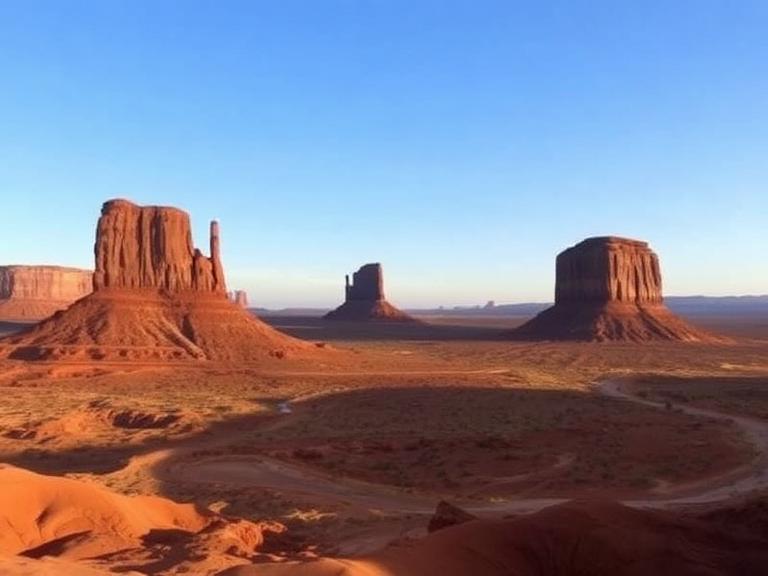
There are places that feel like they belong in a movie—and then there’s Monument Valley, which literally does. This iconic desert landscape has starred in countless Hollywood films and commercials, making it one of the most recognizable natural landmarks in the United States. Towering sandstone buttes rise dramatically from the desert floor, painted in deep reds and oranges that seem to glow under the sun. According to recent travel updates, Monument Valley continues to rank among the top scenic destinations in the U.S. in 2026, drawing travelers from around the world eager to experience its cinematic beauty.
What makes this place truly unforgettable isn’t just the visuals—it’s the atmosphere. The silence feels profound, the scale almost surreal, and the landscape seems to stretch infinitely. You don’t just visit Monument Valley; you feel it. Whether you’re a photographer chasing golden light or a road tripper exploring the American Southwest, this destination delivers a sensory experience that’s hard to match.
Where It’s Located and Cultural Significance
Monument Valley sits on the border of Arizona and Utah within the Navajo Nation, making it not just a natural wonder but also a deeply sacred cultural landscape. It’s officially known as a Navajo Tribal Park rather than a national park, which means the land is managed by the Navajo people.
For the Navajo community, this valley isn’t just scenery—it’s a living story. Each rock formation carries meaning, often tied to legends and ancestral history. Visiting here isn’t just sightseeing; it’s stepping into a place that has spiritual significance and centuries of heritage. That’s why guided tours led by Navajo guides are highly recommended—they offer insights you simply won’t get from a map or brochure.
Best Time to Visit Monument Valley
Seasonal Breakdown
Timing your visit can completely change your experience. Spring (March to May) and fall (September to November) are widely considered the best seasons, offering mild temperatures and clear skies perfect for exploration. These months also align with peak travel seasons, which means better tour availability but slightly higher crowds.
Summer, on the other hand, can be intense. Temperatures often soar above 35°C (95°F), making midday exploration uncomfortable. Winter brings a different charm, with fewer visitors and occasional snow dusting the red rocks—but it can also limit access to certain areas due to weather conditions.
Weather and Photography Tips
If you’re chasing that perfect Instagram shot, timing is everything. Sunrise and sunset transform the valley into a glowing masterpiece, with long shadows stretching across the desert floor. Photographers often say these “golden hours” are when Monument Valley truly comes alive.
Early mornings tend to be cooler and quieter, offering a peaceful start before crowds arrive. Sunset, meanwhile, delivers dramatic colors and unforgettable silhouettes. If you can, plan to stay overnight—because missing either sunrise or sunset here feels like leaving a story half-told.
How Many Days Do You Need in Monument Valley
1-Day vs 2-Day Itinerary
Here’s the honest answer: you can see Monument Valley in one day, but you’ll want more if time allows. Travel experts note that a single day is enough to drive the scenic loop, visit key viewpoints, and even squeeze in a short hike.
But here’s the catch—rushing through Monument Valley is like flipping through a photo album without really looking. A two-day itinerary gives you breathing room. You can experience both sunrise and sunset, take a guided backcountry tour, and immerse yourself in the culture instead of just ticking off landmarks.
If you’re on a tight road trip schedule, one day works. If you want a deeper, richer experience, stay longer.
How to Get to Monument Valley
Transportation Options
Monument Valley is remote—and that’s part of its magic. The nearest major airports are in Page, Arizona, and Flagstaff, Arizona, both requiring a scenic drive to reach the valley. Renting a car is the most practical option, especially if you’re planning a Southwest road trip.
Driving here is an experience in itself. Endless desert highways, dramatic rock formations, and open skies create a sense of freedom that’s hard to replicate elsewhere. Just be prepared: services are limited, so fuel up and carry essentials before heading out.
Monument Valley Entry Fees and Rules
Visiting Monument Valley comes with a small fee—typically around $8 per person for self-guided entry. Guided tours cost more but offer access to restricted backcountry areas and cultural insights that are well worth the investment.
Respect is key here. This is Navajo land, and visitors are expected to follow rules that protect both the environment and cultural heritage. Stick to designated trails, avoid touching sacred sites, and always ask permission before photographing people or private property.
Ultimate 1-Day Monument Valley Itinerary
Sunrise at the Viewpoint
Start your day early—really early. Watching the sunrise from the main viewpoint near the visitor center is one of the most magical experiences you’ll ever have. As the sun rises, the valley slowly reveals itself, with light creeping across the buttes like a painter filling in a canvas.
It’s quiet, almost meditative. You’ll hear the wind before you hear anything else. This moment alone is worth the trip.
17-Mile Scenic Drive Highlights
The famous 17-mile scenic drive is the heart of any Monument Valley itinerary. It’s a self-guided route that takes you through the valley’s most iconic formations.
The Mittens & Merrick Butte
These are the stars of the show. The East and West Mitten Buttes resemble giant hands rising from the earth, and they’re among the most photographed landmarks in the valley. Their symmetry and scale are mesmerizing.
John Ford’s Point
Named after the legendary filmmaker, this viewpoint offers sweeping vistas that feel straight out of a Western movie. It’s one of the best spots for panoramic photography.
Totem Pole and Artist’s Point
Further along the loop, you’ll encounter slender rock formations like the Totem Pole and scenic overlooks like Artist’s Point. These spots provide unique perspectives and are perfect for capturing the valley’s diversity.
Wildcat Trail Experience
If you’re up for a hike, the Wildcat Trail is your best (and only self-guided) option. It loops around the West Mitten Butte and offers a closer look at the landscape. The terrain is relatively moderate, but the exposure to sun means you’ll need water and proper gear.
Sunset Photography Spots
Wrap up your day with sunset at either the main viewpoint or Artist’s Point. As the sky shifts from blue to orange to deep purple, the valley transforms once again. It’s the kind of moment that makes you forget your phone and just stand there, soaking it all in.
2-Day Monument Valley Itinerary (Extended Experience)
Day 1 Highlights
Follow the one-day itinerary but take your time. Stop longer at viewpoints, explore local craft stalls, and engage with Navajo culture. Visit nearby landmarks like Forrest Gump Point for that iconic road photo.
Day 2 Backcountry Tour
Day two is where things get special. Book a Navajo-guided tour to access restricted areas like Ear of the Wind Arch and Sun’s Eye. These locations aren’t accessible on your own, and they reveal a completely different side of Monument Valley.
Guides often share stories, history, and traditions that bring the landscape to life. It’s not just sightseeing—it’s storytelling.
Best Things to Do in Monument Valley
Beyond driving and photography, Monument Valley offers unique experiences like horseback riding, cultural tours, and stargazing. The lack of light pollution makes it an incredible place to see the night sky. Imagine lying under a blanket of stars, with the silhouettes of buttes surrounding you—it’s unforgettable.
Where to Stay Near Monument Valley
Accommodation options range from budget motels to scenic lodges. Staying inside or near the valley allows you to catch sunrise and sunset without long drives. Popular choices include The View Hotel and nearby campsites for a more immersive experience.
Essential Travel Tips for Monument Valley
Preparation is everything here. The desert can be unforgiving, so bring plenty of water, sunscreen, and snacks. The scenic drive can be rough in places, so a high-clearance vehicle is helpful but not always necessary.
Also, don’t rely heavily on mobile networks—signal is limited. Download maps in advance and plan your route carefully.
What to Pack for Your Trip
Packing smart can make or break your trip. Essentials include comfortable walking shoes, sun protection, a camera, and layers for changing temperatures. Evenings can get surprisingly cool, especially outside summer months.
Nearby Attractions Worth Visiting
Monument Valley is often part of a larger Southwest road trip. Nearby attractions include Antelope Canyon, Horseshoe Bend, and the Grand Canyon. Each offers a unique landscape, making your journey even more diverse and memorable.
Conclusion
A Monument Valley itinerary isn’t just about ticking off landmarks—it’s about experiencing a place that feels timeless. From sunrise to sunset, every moment here carries a sense of wonder. Whether you spend one day or two, the memories you create will stay with you long after you leave.
FAQs
1. Is one day enough for Monument Valley?
Yes, one day is enough to see the main highlights, including the scenic drive and key viewpoints, but staying longer enhances the experience.
2. Do I need a guided tour in Monument Valley?
Not necessarily, but guided tours offer access to restricted areas and deeper cultural insights.
3. Can I drive my own car in Monument Valley?
Yes, most vehicles can handle the scenic drive, but rough patches may require careful driving.
4. What is the best time of day to visit?
Sunrise and sunset are the best times for photography and overall experience.
5. Is Monument Valley suitable for families?
Absolutely. It’s a great destination for families, as long as you prepare for desert conditions.