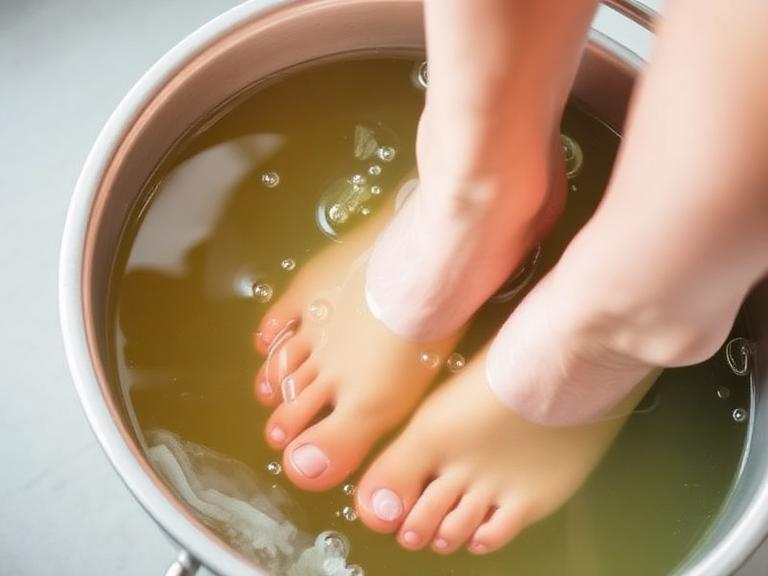
Soaking feet in vinegar is one of those home remedies that has quietly survived generations, long before fancy antifungal creams and medicated sprays became mainstream. At its core, a vinegar foot soak is exactly what it sounds like—feet immersed in a diluted solution of vinegar and water. The idea is simple, almost old-school: use something acidic and naturally antimicrobial to help clean, refresh, and possibly improve foot health.
People often turn to this remedy because it feels natural and accessible. You don’t need a prescription or expensive products, just a bottle of vinegar from the kitchen shelf. Among different types, apple cider vinegar tends to steal the spotlight due to its reputation in wellness culture. Many believe it works better because it contains additional plant compounds beyond acetic acid.
What Is a Vinegar Foot Soak?
A vinegar foot soak is a diluted bath made by mixing vinegar with warm water and soaking the feet for a set period, usually 15–20 minutes. The goal is to allow the solution to interact with the skin surface, where bacteria and fungi often thrive. It is commonly used as a home remedy for odor, minor fungal issues, and general foot cleansing.
What makes this practice interesting is its simplicity. There’s no complicated process, yet many people report noticeable freshness afterward. While it’s not a medical cure, it is widely used as a supportive home care method.
Why Apple Cider Vinegar Is Commonly Used
Apple cider vinegar (ACV) has become the preferred choice because of its reputation in natural health circles. Unlike plain white vinegar, ACV contains organic acids, enzymes, and trace compounds formed during fermentation. These elements are believed to enhance its skin-friendly properties.
It also has a slightly milder scent compared to strong white vinegar, making the soaking experience more tolerable. This is one reason people stick to it for repeated foot care routines.
Antimicrobial Properties of Vinegar
One of the biggest reasons vinegar is used for foot care is its antimicrobial nature. This simply means it can help reduce the growth of microorganisms like bacteria and fungi on the skin.
Role of Acetic Acid in Fighting Microbes
The key active compound in vinegar is acetic acid. Research shows that acetic acid has the ability to disrupt microbial cell function, making it harder for bacteria and fungi to survive. This is why vinegar has been traditionally used as a cleaning and preservation agent.
How It Targets Bacteria and Fungi
When applied to the skin in diluted form, vinegar creates an acidic environment. Most odor-causing bacteria and fungi prefer a more neutral or slightly alkaline environment. By lowering the pH, vinegar makes the surface less friendly for microbial growth. This is particularly relevant for foot health since feet often stay warm and moist inside shoes—an ideal breeding ground for microbes.
Benefits of Vinegar for Feet
Vinegar foot soaks are often praised for several practical benefits, especially when used consistently and safely.
Helps with Foot Odor
Foot odor usually comes from bacteria breaking down sweat. Vinegar may help reduce this bacterial activity, leading to fresher-smelling feet. Many users notice a difference after regular soaks, especially when combined with good hygiene habits like clean socks and breathable shoes.
Supports Skin Softening
Another underrated benefit is skin softening. The acidic nature of vinegar can gently exfoliate dead skin layers, making rough heels feel smoother over time. This is why some people use it before pumice stone treatments.
Vinegar for Foot Odor
Foot odor is one of the most common reasons people try vinegar soaks in the first place.
Causes of Smelly Feet
Sweating alone doesn’t create odor. The real issue is bacteria feeding on sweat and producing smelly compounds. Tight footwear, synthetic socks, and long hours of wear make this worse.
How Vinegar Neutralizes Odor
Vinegar works by reducing bacterial populations and balancing skin pH. This disrupts the environment that odor-causing microbes rely on. While it won’t permanently eliminate foot odor if hygiene is poor, it can significantly reduce it when used as part of a routine.
Vinegar for Athlete’s Foot
Athlete’s foot is a common fungal infection that affects the skin between toes and soles.
Understanding Athlete’s Foot
This condition thrives in warm, moist environments and often causes itching, peeling, and discomfort. It spreads easily in shared spaces like locker rooms and swimming pools.
Antifungal Potential of Vinegar
Because vinegar has mild antifungal properties, it is sometimes used as a supportive home remedy. Some studies and health sources suggest it may help slow fungal growth, though it is not considered a primary treatment. Medical antifungal creams remain the most effective solution.
Apple Cider Vinegar Foot Soak
Why ACV Is Popular
Apple cider vinegar is often chosen because of its “natural remedy” reputation and slightly gentler profile. Many people prefer it over white vinegar due to its perceived skin benefits and less harsh smell.
Proper Dilution Method
A commonly recommended ratio is:
- 1 part vinegar
- 2 parts warm water
Feet are typically soaked for 15–20 minutes. Overuse or stronger mixtures can irritate the skin, so dilution is important.
Vinegar Foot Soak for Warts
Can Vinegar Remove Warts?
Some people claim vinegar helps reduce warts, especially plantar warts on the feet. The idea is that the acid slowly breaks down affected skin layers and may stimulate immune response.
However, evidence is limited, and results vary widely. Some individuals report improvement, while others see no change.
Limitations of Evidence
Scientific backing for vinegar as a wart treatment is weak. While it may irritate or break down tissue, it is not a guaranteed cure. Dermatological treatments remain more reliable and controlled.
Home Remedy for Foot Odor
Natural Alternatives
Besides vinegar, other home remedies include baking soda soaks, salt water rinses, and essential oils. Each works differently, but all aim to reduce bacteria or absorb moisture.
Role of Hygiene in Prevention
No remedy works well without basic hygiene. Regular washing, drying between toes, changing socks, and rotating shoes are essential for long-term odor control.
Foot Infection Home Remedies
Common At-Home Treatments
People often try:
- Vinegar soaks
- Tea tree oil applications
- Saltwater baths
- Antifungal powders
These methods may help mild cases or support healing, but they are not replacements for medical treatment in serious infections.
When to See a Doctor
If symptoms persist, worsen, or spread, medical attention is necessary. This is especially important for people with diabetes or weak immunity.
How to Make Vinegar Foot Soak
Step-by-Step Preparation
- Fill a basin with warm water
- Add vinegar (1:2 ratio with water)
- Stir gently
- Soak feet for 15–20 minutes
- Dry thoroughly afterward
Consistency matters more than intensity.
Safety Tips for Use
Avoid soaking broken skin or open wounds. Always rinse and moisturize after soaking to prevent dryness.
Risks and Precautions
Skin Sensitivity and Irritation
Vinegar is acidic, so overuse can cause dryness or irritation. Some people may experience burning sensations if the mixture is too strong.
Who Should Avoid Vinegar Soaks
People with diabetes, severe infections, or sensitive skin conditions should consult a healthcare professional before trying vinegar soaks.
Conclusion
Vinegar foot soaks remain a popular and accessible home remedy for odor control, mild fungal issues, and general foot care. Their effectiveness largely comes from acetic acid’s antimicrobial nature, which helps reduce bacteria and fungi on the skin. While not a cure-all, vinegar can be a helpful supportive treatment when used correctly and safely. Think of it as a maintenance tool rather than a medical solution—simple, affordable, and surprisingly versatile.
FAQs
Is vinegar safe for daily foot soaking?
Daily use may be too harsh for some skin types. A few times per week is usually safer.
Can vinegar cure fungal infections completely?
No, it may help symptoms but medical treatments are more effective for full recovery.
Which vinegar is best for feet?
Apple cider vinegar is most commonly used, but white vinegar also works.
How long should I soak my feet?
Typically 15–20 minutes per session is recommended.
Can I mix vinegar with other ingredients?
Yes, some people add Epsom salt or essential oils, but dilution is important.