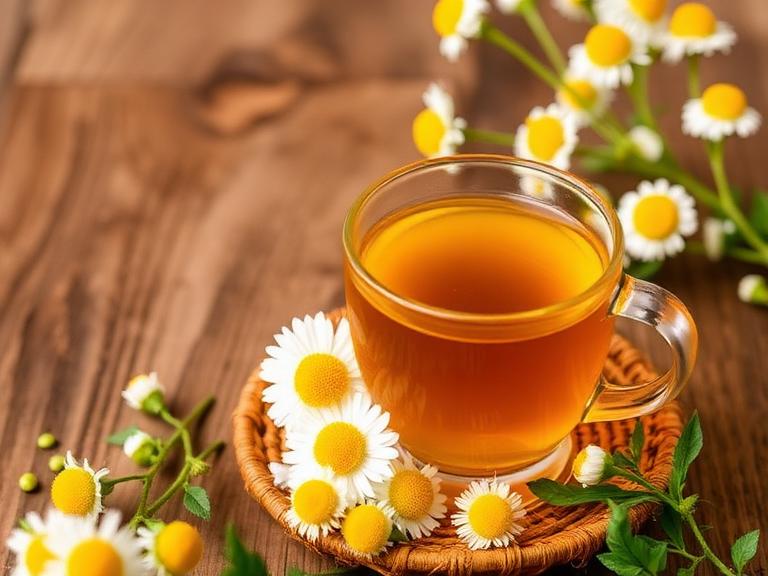
Chamomile tea is one of those timeless herbal remedies that feels almost magical in its simplicity. Derived from dried flowers of the chamomile plant, this tea has been used for centuries across cultures—from ancient Egypt to modern Europe—as a natural healer. There are two primary types of chamomile: German chamomile and Roman chamomile, both offering similar health benefits but slightly different flavors and concentrations of active compounds. Think of chamomile as nature’s gentle therapist—it doesn’t shout, it soothes.
People often turn to chamomile tea as a comforting nighttime ritual, but its uses go far beyond just helping you wind down. Its mild floral taste and caffeine-free nature make it ideal for daily consumption, especially for those looking to reduce their dependence on stimulants like coffee or regular tea. In today’s fast-paced world, where stress and sleep issues are almost universal, chamomile tea stands out as a simple yet powerful addition to a healthy lifestyle.
Nutritional Profile and Active Compounds
What makes chamomile tea so effective isn’t just tradition—it’s science. Chamomile contains a variety of bioactive compounds like apigenin, flavonoids, and terpenoids, which contribute to its calming, anti-inflammatory, and antioxidant properties. Apigenin, in particular, binds to specific receptors in the brain that promote sleep and reduce anxiety—almost like a natural sedative without the grogginess.
In addition to these compounds, chamomile tea offers small amounts of vitamins such as vitamin A and minerals like calcium and magnesium. While it’s not a nutritional powerhouse in the traditional sense, its strength lies in its therapeutic qualities. Imagine it as a subtle but consistent support system for your body—working quietly in the background to improve your overall well-being.
Benefits of Chamomile Tea for Sleep
How Chamomile Improves Sleep Quality
If you’ve ever struggled with tossing and turning at night, chamomile tea might just be your new best friend. One of its most celebrated benefits is its ability to improve sleep quality naturally. The compound apigenin plays a crucial role here by interacting with brain receptors that help initiate sleep. It doesn’t knock you out like a sleeping pill—instead, it gently nudges your body into a relaxed state, making it easier to drift off.
Regular consumption of chamomile tea before bedtime can help regulate your sleep cycle over time. It’s particularly beneficial for people dealing with insomnia or irregular sleep patterns. Instead of relying on synthetic sleep aids, which can come with side effects, chamomile offers a safer, more holistic approach. Picture it as a lullaby in a cup—soft, calming, and reassuring.
Why It’s Considered the Best Herbal Tea for Better Sleep
Among all herbal teas, chamomile is often crowned the king of sleep aids—and for good reason. Unlike green tea or black tea, it contains no caffeine, which means it won’t interfere with your body’s natural sleep signals. Its calming aroma alone can trigger relaxation, making it a multi-sensory experience that prepares your body and mind for rest.
Many people incorporate chamomile tea into their nightly routine as a signal to their body that it’s time to unwind. This ritualistic aspect can be just as powerful as the tea itself. Over time, your brain begins to associate the act of drinking chamomile tea with sleep, reinforcing a healthy bedtime habit. It’s not just a beverage—it’s a lifestyle shift toward better sleep hygiene.
Chamomile Tea for Anxiety and Relaxation
Natural Compounds That Reduce Stress
Stress has become a constant companion for many of us, but chamomile tea offers a natural way to take the edge off. The same compounds that help with sleep also play a role in reducing anxiety. Apigenin and other antioxidants in chamomile interact with neurotransmitters in the brain, promoting a sense of calm and relaxation.
Drinking chamomile tea can feel like hitting a “pause” button in the middle of a hectic day. Whether you’re dealing with work pressure, emotional stress, or just general restlessness, a warm cup of chamomile tea can help you regain your balance. It’s like wrapping your mind in a soft blanket—comforting and reassuring.
Scientific Evidence Behind Relaxation Effects
Research has shown that chamomile can significantly reduce symptoms of generalized anxiety disorder (GAD). In clinical studies, participants who consumed chamomile extract experienced noticeable improvements in mood and reduced anxiety levels. This isn’t just placebo—it’s backed by science.
What’s even more appealing is that chamomile doesn’t carry the risk of dependency like some anti-anxiety medications. It offers a gentle, sustainable way to manage stress, making it ideal for long-term use. For anyone looking to embrace natural remedies for stress and anxiety, chamomile tea is a powerful yet accessible option.
Chamomile Tea and Menstrual Pain Relief
How It Helps Reduce Cramps
Menstrual cramps can be incredibly uncomfortable, but chamomile tea may offer some relief. Its anti-inflammatory and antispasmodic properties help relax the muscles of the uterus, reducing the intensity of cramps. Drinking chamomile tea during your cycle can feel like applying a warm compress from the inside out.
The tea also helps improve blood flow, which can further alleviate pain and discomfort. Many women find that incorporating chamomile tea into their routine during menstruation makes a noticeable difference in how they feel.
Hormonal Balance and Comfort
Beyond physical relief, chamomile tea may also help regulate mood swings associated with hormonal changes. Its calming effects can ease irritability and emotional stress, making that time of the month a little more manageable. It’s not a cure-all, but it’s certainly a comforting companion.
Chamomile Tea for Diabetes Management
Chamomile Tea and Blood Sugar Control
One of the lesser-known benefits of chamomile tea is its potential role in blood sugar control. Studies suggest that regular consumption may help lower fasting blood glucose levels and improve insulin sensitivity. This makes it a valuable addition to the diet of individuals managing diabetes.
Chamomile works by reducing oxidative stress and inflammation—two key factors that contribute to insulin resistance. While it shouldn’t replace medication, it can complement a balanced diet and healthy lifestyle.
Supporting Long-Term Metabolic Health
Over time, maintaining stable blood sugar levels can reduce the risk of complications associated with diabetes. Chamomile tea offers a natural, low-risk way to support metabolic health. Think of it as a small daily habit that contributes to a much bigger picture of wellness.
Anti-Inflammatory Properties of Chamomile Tea
Fighting Chronic Inflammation Naturally
Chronic inflammation is at the root of many health issues, from heart disease to arthritis. Chamomile tea’s anti-inflammatory properties make it a powerful ally in combating these conditions. Its antioxidants help neutralize free radicals, reducing inflammation at the cellular level.
Drinking chamomile tea regularly can help soothe internal inflammation, much like applying aloe vera to a sunburn. It’s gentle yet effective, making it suitable for long-term use.
Chamomile Tea for Immune System Support
Strengthening the Body’s Defense Mechanism
Your immune system is your body’s first line of defense, and chamomile tea can help keep it strong. Its antimicrobial and antioxidant properties support immune function, helping your body fight off infections more effectively.
Regular consumption may also increase levels of certain compounds in the body that are associated with improved immunity. It’s like giving your immune system a daily tune-up.
Chamomile Tea for Cold Symptoms
Relief from Cough, Congestion, and Sore Throat
When you’re down with a cold, chamomile tea can be incredibly soothing. Its warm steam helps clear nasal passages, while its anti-inflammatory properties ease throat irritation. Adding honey can enhance its soothing effects, making it a go-to remedy during cold season.
Chamomile Tea and Skin Health
Antioxidants for Glowing Skin
Chamomile tea isn’t just good for your insides—it shows on the outside too. Its antioxidants help combat skin damage caused by free radicals, promoting a स्वस्थ, glowing complexion. Some people even use cooled chamomile tea as a facial rinse to reduce redness and irritation.
Daily Consumption of Chamomile Tea
How Much is Safe to Drink?
For most people, drinking 1–3 cups of chamomile tea daily is considered safe. Consistency is key—regular intake yields better results than occasional use. However, moderation is important, as excessive consumption may lead to unwanted effects.
Chamomile Tea Side Effects and Safety
Who Should Avoid Chamomile Tea?
While generally safe, chamomile tea isn’t for everyone. People with allergies to plants in the daisy family should avoid it. It may also interact with certain medications, including blood thinners. Always consult a healthcare provider if you’re unsure.
Is Chamomile Tea Safe During Pregnancy?
Pregnant women should consume chamomile tea with caution. While occasional use is generally considered safe, excessive intake may pose risks. It’s always best to consult a doctor before adding it to your routine during pregnancy.
Conclusion
Chamomile tea is more than just a comforting beverage—it’s a holistic wellness tool that supports sleep, reduces anxiety, eases pain, and promotes overall health. Its gentle nature makes it suitable for daily use, while its wide range of benefits ensures there’s something for everyone. Whether you’re looking to improve your sleep, manage stress, or simply enjoy a calming ritual, chamomile tea offers a natural and effective solution.
FAQs
1. Can I drink chamomile tea every day?
Yes, most people can safely enjoy 1–3 cups daily for optimal benefits.
2. Does chamomile tea really help with sleep?
Absolutely. Its natural compounds promote relaxation and improve sleep quality.
3. Is chamomile tea good for anxiety?
Yes, it has calming effects that can help reduce stress and anxiety levels.
4. Can chamomile tea lower blood sugar?
It may help improve blood sugar control, especially when combined with a healthy lifestyle.
5. Are there any side effects of chamomile tea?
Some people may experience allergic reactions or interactions with medications.