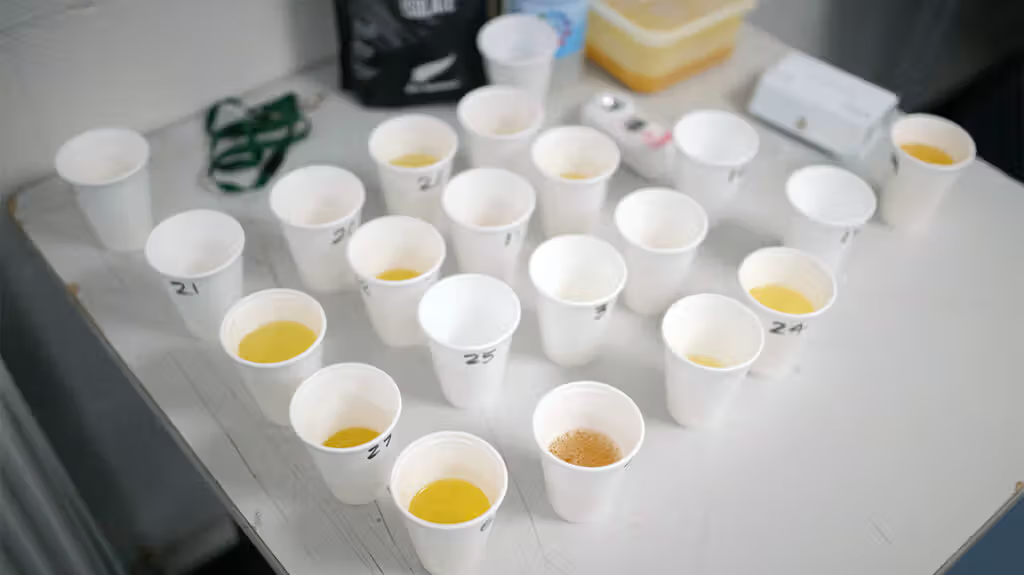
A 10-panel drug test is one of the most widely used screening methods in workplaces, healthcare systems, and legal monitoring programs. It is designed to detect a broader range of substances compared to the standard 5-panel test, making it more suitable for safety-sensitive environments. In simple terms, it checks whether a person has recently used certain prescription or illegal drugs by analyzing biological samples, most commonly urine.
This test does not measure impairment at the moment of testing; instead, it detects drug metabolites that remain in the body after consumption. As research shows, most workplace testing programs rely on urine because it is cost-effective, non-invasive, and reliable for recent drug use detection . Employers in transportation, healthcare, law enforcement, and heavy industries often require this test to ensure workplace safety and compliance.
What makes the 10-panel test important is its balance between scope and practicality. It covers commonly abused prescription drugs along with illicit substances, providing a more complete screening profile. However, it still has limitations, including varying detection windows and the possibility of false positives, which makes confirmatory testing essential in many cases.
Substances Tested in 10-Panel Drug Screen
The 10-panel drug screen is designed to identify ten major categories of drugs that are frequently misused. These typically include a mix of illegal street drugs and prescription medications that have abuse potential. The most commonly included substances are amphetamines, cannabis (THC), cocaine, opioids, barbiturates, benzodiazepines, methadone, PCP, methaqualone, and propoxyphene.
Each category includes multiple drug variants. For example, opioids cover heroin, morphine, and codeine, while benzodiazepines include medications such as alprazolam and diazepam. These drugs are targeted because of their widespread misuse and potential for dependency. According to clinical reviews, these substances are selected because they represent the most commonly abused prescription and illicit drugs in workplace populations .
The test does not usually include alcohol unless specifically added. Employers can customize panels depending on job requirements. This flexibility allows organizations to adjust testing sensitivity based on safety risks. Understanding what is included in the panel helps individuals better prepare for testing and avoid misunderstandings about what is being screened.
Urine Drug Test Panel and Sample Types
The most common method used in a urine drug test panel is urine analysis, though other sample types such as saliva, blood, hair, and sweat patches are also available. Urine testing remains the preferred method due to its balance of accuracy, affordability, and detection capability.
Urine tests detect metabolites, which are chemical remnants of drugs processed by the body. These metabolites remain detectable for varying durations depending on the drug type and frequency of use. Hair testing, for instance, can detect drug use for up to 90 days, while urine typically reflects more recent use, usually within days or weeks .
Different sample types serve different purposes. Urine is used for employment screening, saliva for roadside testing, and hair for long-term usage history. Each method has advantages and limitations, but urine testing remains the industry standard. It is also less invasive and easier to administer under controlled conditions.
Drug Detection Time Chart Explained
A drug detection time chart shows how long drugs remain detectable in the body after use. These detection windows vary based on metabolism, dosage, frequency of use, and drug type. For example, cannabis can remain detectable in urine from a few days up to 30 days or more in chronic users, while cocaine typically clears within 2–4 days.
Amphetamines and opioids generally have shorter detection windows, often 1–4 days in urine tests. Benzodiazepines may remain detectable for up to 10–14 days depending on usage patterns. These variations make interpretation complex because no single timeline applies to all individuals.
Detection charts are not indicators of impairment but rather historical usage. This is why employers rely on them to assess compliance rather than real-time intoxication. Understanding these timelines helps individuals interpret test outcomes more accurately and reduces confusion about positive or negative results.
Workplace Drug Testing Policies
Workplace drug testing policies vary depending on industry, region, and job role. Safety-sensitive jobs such as transportation, aviation, healthcare, and construction often require mandatory drug screening. Employers use these policies to reduce workplace accidents and ensure compliance with safety regulations.
In many cases, pre-employment testing is required before hiring, while random testing may occur during employment. Some organizations also conduct post-incident testing if workplace accidents occur. These policies are designed not only to detect drug use but also to discourage it.
Legal frameworks differ across countries and states. Some regions allow random testing, while others restrict it to specific job categories. Employees are usually informed about testing policies during hiring. Transparency is important because it ensures compliance and reduces legal disputes related to privacy or discrimination.
Drug Screening Test Procedure
The drug screening test procedure begins with sample collection under controlled conditions. In most workplace settings, urine samples are collected in a secure facility where tampering is minimized. Identification is verified, and sample containers are labeled to maintain integrity.
Once collected, the sample undergoes an initial screening test, usually immunoassay-based. If results are negative, the process ends. If positive, confirmatory testing is performed using advanced methods like GC-MS (Gas Chromatography–Mass Spectrometry). This two-step process reduces false positives and improves accuracy.
The entire procedure follows strict chain-of-custody documentation to ensure legal validity. This means every step from collection to laboratory analysis is recorded. This structure is essential for maintaining trust and reliability in workplace and legal environments.
Urine Drug Screening Step-by-Step
A urine drug screening process typically follows a structured set of steps to ensure accuracy and prevent contamination. First, the donor is instructed to provide a fresh urine sample in a sterile cup. Temperature checks may be used to verify sample authenticity.
Next, the sample is divided into testing aliquots. One portion is used for initial screening, while another is reserved for confirmatory testing if needed. Screening is done using immunoassay technology, which quickly detects drug metabolites.
If results are positive, the sample is sent to a certified laboratory for confirmation. This step ensures that medications or external factors do not produce misleading results. The process is designed to balance speed with scientific accuracy.
Lab Drug Testing Process
The lab drug testing process involves advanced analytical techniques that confirm initial screening results. One of the most widely used methods is GC-MS, which separates and identifies chemical compounds with high precision.
Laboratories follow strict quality control protocols. Samples are labeled, tracked, and analyzed in controlled environments. This ensures that results are legally defensible and scientifically accurate. Confirmatory testing eliminates most false positives caused by over-the-counter medications or food interactions.
Labs also maintain reference databases to compare detected compounds. This helps distinguish between legitimate prescriptions and illicit drug use. The process is highly regulated to maintain reliability in workplace and legal contexts.
False Positive Drug Test Results
A false positive drug test result occurs when a test incorrectly identifies a drug in a person’s system. This can happen due to cross-reactivity with medications, supplements, or even certain foods.
Common causes include antihistamines, antidepressants, and cold medications. For example, some decongestants may trigger false amphetamine results. Because of this, confirmatory testing is critical in workplace environments.
Most modern testing systems include secondary verification to reduce such errors. This ensures individuals are not wrongly penalized due to testing limitations. Understanding false positives helps reduce anxiety around drug screening results.
Prescription vs Illicit Drugs Testing
Drug tests differentiate between prescription medications and illicit drugs based on chemical structure and metabolite patterns. Prescription drugs like benzodiazepines and opioids may be legal when prescribed but still appear in drug screenings.
Illicit drugs such as cocaine or heroin are always considered violations in workplace testing. However, prescribed medications can complicate interpretation, especially if proper documentation is not provided.
Employers often request prescription verification to avoid misclassification. This distinction is important for fairness and legal compliance.
Detection Window for Common Drugs
Detection windows vary significantly between substances. Cannabis may remain detectable for weeks, while cocaine typically clears within a few days. These windows depend on metabolism, frequency of use, and dosage.
Urine testing remains most reliable for short-term detection. However, no test can determine exact timing of drug use, only approximate exposure history.
Factors Affecting Drug Detection Time
Several factors influence detection time, including body fat, hydration levels, liver function, and frequency of use. Chronic users typically have longer detection windows due to drug accumulation in fatty tissues.
Chain of Custody in Testing
Chain of custody ensures sample integrity from collection to analysis. Every handler documents transfer steps, preventing tampering or misidentification.
Immunoassay vs Confirmatory Testing
Immunoassay provides rapid screening, while GC-MS offers precise confirmation. Both are essential for accurate drug testing.
What Happens After a Positive Result
A positive result triggers confirmation testing and employer review. Individuals may be asked to provide prescription documentation.
How to Prepare for a Drug Test
Preparation includes avoiding unprescribed substances, disclosing medications, and following instructions carefully to avoid invalid results.
Cannabis Detection Nuances
Cannabis detection varies widely depending on usage frequency, ranging from days to over a month in heavy users.
Benzodiazepine Testing Details
Benzodiazepines may remain detectable for several days to weeks depending on the specific drug and usage pattern.
Opioid Testing Details
Opioids typically have short detection windows in urine but vary based on type, from 1 to 4 days in most cases.
Conclusion
The 10-panel drug test remains a critical tool in workplace safety and medical screening. It provides a broader view of substance use compared to basic testing panels, yet still relies heavily on interpretation, confirmation, and context. Understanding how it works—from detection windows to lab procedures—helps reduce confusion and ensures better preparedness for anyone undergoing testing.
FAQs
1. How long does a 10-panel drug test take?
Most urine tests give results within 24–72 hours depending on lab processing.
2. Can medications cause false positives?
Yes, some prescription and OTC drugs can trigger false positives.
3. Does a 10-panel test include alcohol?
Not usually, unless specifically added.
4. What is the most common drug test method?
Urine testing is the most widely used method.
5. Can hydration affect results?
Yes, excessive hydration may dilute samples but does not remove metabolites