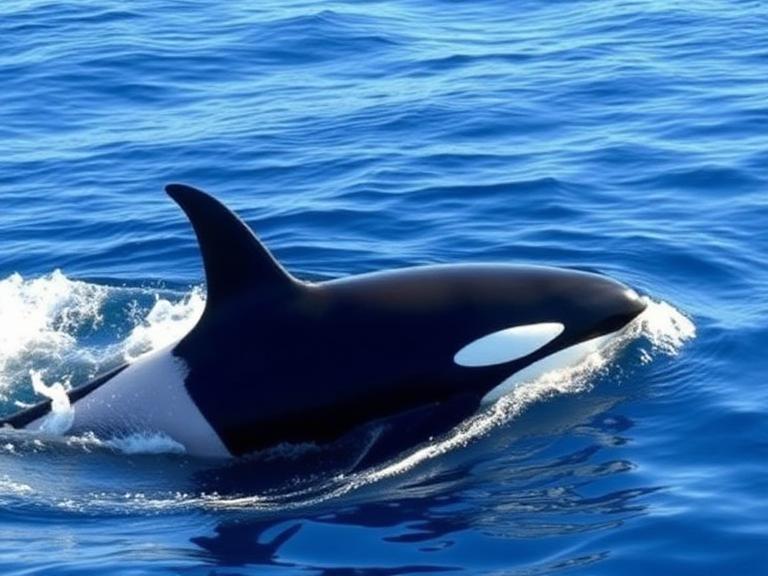
California isn’t just a scenic coastline—it’s one of the most active marine wildlife corridors on Earth. Imagine a natural highway in the ocean where giants weighing over 100 tons travel thousands of kilometers every year. That’s exactly what happens along California’s coast, making it a dream destination for whale watchers from around the world.
The Pacific Migration Corridor Explained
Every year, approximately 20,000 gray whales migrate along California’s coast, traveling between Alaska and Baja California. This migration is one of the longest of any mammal, and the best part? It happens close to shore, meaning you don’t always need a boat to witness it.
This coastline benefits from nutrient-rich waters, thanks to ocean upwelling. Think of it like a buffet line for marine life—krill, anchovies, and plankton attract whales in massive numbers. This abundance is why California remains one of the few places in the world where whale watching is possible year-round.
Whale Species You Can See Year-Round
Depending on the season, you can encounter a stunning variety of species:
- Gray whales (December–April)
- Humpback whales (May–November)
- Blue whales (June–October)
- Orcas (killer whales) (March–May, less frequent)
It’s like a rotating cast of ocean giants—each season brings a new show.
Best Places for Whale Watching in California
San Diego – Southern California’s Marine Hub
San Diego is often the first stop on the whale migration route, making it one of the most reliable places to see whales. Its proximity to deep waters allows whales to come surprisingly close to shore.
Here, you can experience:
- Winter gray whale migrations
- Summer blue whale feeding
- Occasional orca sightings
San Diego is ideal if you want a balanced, year-round whale watching experience with consistent sightings across seasons.
Dana Point – Whale Watching Capital of the World
If you’ve ever wondered “What is the whale watching capital of California?”, the answer is Dana Point. It proudly calls itself the “Whale Watching Capital of the World.”
Why? Because whales are seen here almost every month of the year. The underwater canyon just offshore acts like a magnet for marine life.
Expect:
- Frequent dolphin sightings
- High success rates for whale tours
- Multiple species in a single trip
This is one of the easiest and most beginner-friendly locations.
Los Angeles & Long Beach Coast
For travelers staying in LA, whale watching doesn’t require a long drive. The Long Beach and Newport areas offer excellent tours with easy accessibility.
Here’s what makes it special:
- Calm waters compared to northern regions
- Great for families and first-timers
- Strong gray whale migration sightings in winter
It’s convenience meets adventure—perfect if you’re short on time.
Monterey Bay – Best Overall Whale Diversity
If there’s one place that consistently comes up in Reddit discussions, expert recommendations, and marine research—it’s Monterey Bay.
Why? Because it’s a marine sanctuary packed with life.
You can see:
- Humpbacks feeding in large numbers
- Blue whales in summer
- Orcas hunting during migration seasons
Locals often describe it as “National Geographic in real life.” And honestly, that’s not an exaggeration.
San Francisco & Golden Gate Area
Whale watching near San Francisco offers a dramatic backdrop—imagine spotting a humpback whale with the Golden Gate Bridge behind it.
This region is best for:
- Humpbacks and gray whales
- Seasonal migrations near the coast
- Scenic, photography-friendly tours
It’s less predictable than Monterey but incredibly rewarding.
Point Reyes – Best Land-Based Whale Watching
Not everyone wants to get on a boat—and that’s where Point Reyes shines.
Studies show that 94% of gray whales pass within one mile of this area, making it one of the best land-based whale watching spots in the world.
During peak migration:
- You can see hundreds of whales in a single day
- No boat required
- Ideal for photographers and budget travelers
Best Time for Whale Watching in California
Month-by-Month Whale Watching Calendar
Here’s a simple breakdown:
| Month | Best Whale Sightings |
|---|---|
| Jan – Feb | Gray whales (peak migration) |
| Mar – Apr | Gray whales + Orcas |
| May – Jun | Humpbacks + Blue whales begin |
| Jul – Aug | Blue whales (peak) |
| Sep – Oct | Humpbacks feeding |
| Nov – Dec | Transition + early gray whales |
Seasonal Breakdown
- Winter (Dec–Feb): Best for gray whale migration
- Spring (Mar–May): Peak diversity + orca sightings
- Summer (Jun–Aug): Blue whales dominate
- Fall (Sep–Nov): Calm seas + humpback feeding
The best overall time? March to May, when multiple species overlap.
Whale Watching in Southern California
Best Time for Southern California Whale Watching
Southern California offers one major advantage—year-round whale watching.
- Winter: Gray whales dominate
- Spring: Peak diversity
- Summer: Blue whales arrive
- Fall: Humpbacks linger
This region is perfect if you want flexibility in travel dates.
Top Locations in SoCal
- San Diego
- Dana Point
- Newport Beach
- Oceanside
Oceanside, in particular, boasts up to 95% sighting success rates during peak migration.
Where to See Orcas in California
Best Locations for Orca Sightings
Orcas are rare but unforgettable. Your best chances:
- Monterey Bay
- Channel Islands
- San Diego coast
Best Months for Orcas
Orcas are most commonly seen March through May, especially when they hunt migrating gray whales.
They’re unpredictable, though—it’s like spotting a celebrity in the wild.
Whale Watching California (San Francisco Focus)
Best Tours & Spots Near SF
Top areas include:
- Golden Gate Bridge area
- Farallon Islands
- Half Moon Bay
What You Can See in Northern California
Expect:
- Gray whales in winter
- Humpbacks in summer
- Occasional orcas
Northern California offers dramatic scenery + wildlife, making it a favorite for photographers.
Whale Watching California in October & November
What to Expect in Fall Months
Fall is underrated. The crowds disappear, and the ocean becomes calmer—perfect conditions for whale watching.
Species Active During Fall
- Humpback whales (feeding)
- Fin whales
- Occasional blue whales
Fall offers fewer crowds + excellent visibility, making it a hidden gem season.
Tips for a Successful Whale Watching Experience
Best Time of Day
Morning trips are usually best:
- Calmer seas
- Better lighting
- More active whales
Booking Tips & Insider Advice
- Book during peak seasons for guaranteed sightings
- Choose smaller boats for a closer experience
- Bring binoculars and layered clothing
Think of whale watching like fishing—you increase your chances with the right timing and preparation.
Conclusion
California isn’t just one of the best places for whale watching—it’s arguably the most versatile. Whether you want to see gray whales migrating, blue whales feeding, or orcas hunting, there’s always something happening along the coast.
If you want the safest bet, aim for March to May. If you want fewer crowds, go in fall. And if you want sheer variety, Monterey Bay is hard to beat.
Whale watching here isn’t just an activity—it’s an experience that stays with you for life.
FAQs
1. What is the best month for whale watching in California?
March is often considered the best month because it offers a mix of gray whales, humpbacks, and even orcas.
2. Where is the easiest place to see orcas in California?
Monterey Bay offers the highest chances, especially between April and May.
3. Can you see whales from shore in California?
Yes, especially at Point Reyes, where whales pass very close to land.
4. Is whale watching better in Northern or Southern California?
Southern California is better for year-round sightings, while Northern California offers more dramatic experiences.
5. What time of day is best for whale watching?
Morning is typically best due to calmer seas and better visibility.