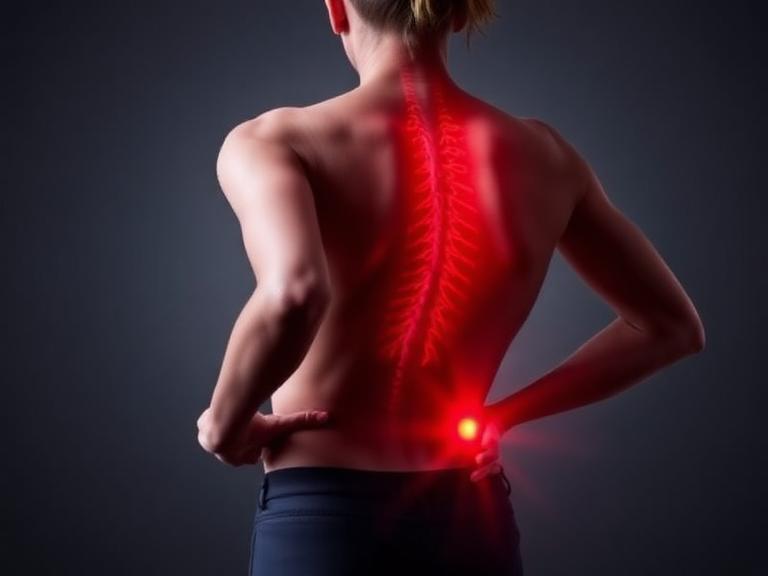
Lower left back pain refers to discomfort felt on the left side of the lower spine, typically between the ribs and the buttocks. It may appear as a dull ache, sharp stabbing sensation, or even a burning pain that radiates outward. This area is complex, containing muscles, ligaments, spinal structures, and nearby organs like the kidneys and colon. Because so many systems overlap here, identifying the exact cause can feel like solving a puzzle with missing pieces.
In many cases, the pain originates from musculoskeletal issues such as muscle strain or ligament injury. These are usually harmless and resolve over time. However, pain in this region can also signal deeper problems involving internal organs, especially when accompanied by unusual symptoms like fever or urinary changes. According to recent medical insights, the location and type of pain often provide important clues about its origin.
Difference Between Back Pain and Flank Pain
Flank pain specifically refers to discomfort on the side of the body, just below the ribs and above the hips. While lower back pain may involve muscles or the spine, flank pain is more commonly associated with organs like the kidneys. The tricky part? These areas overlap anatomically, which makes it difficult to tell them apart without careful observation.
Why Left-Sided Pain Matters
Pain localized on the left side can sometimes point toward specific conditions affecting organs on that side. For example, kidney stones or infections in the left kidney can cause unilateral pain. Understanding this distinction helps narrow down possible causes and speeds up diagnosis.
How Common Is Lower Back Pain?
Lower back pain is not just common—it’s practically universal. In fact, around 619 million people worldwide were affected by low back pain in 2020, making it the leading cause of disability globally. This number is expected to rise dramatically in the coming decades due to aging populations and sedentary lifestyles.
What’s even more interesting is that about 90% of lower back pain cases are “non-specific,” meaning doctors cannot pinpoint a single clear cause. This highlights how complex and multifactorial this condition can be. You might feel pain after lifting something heavy, sitting too long, or even due to stress—all without a clear structural problem.
Muscle-Related Causes of Left Lower Back Pain
Muscle Strain and Overuse
Let’s start with the most common culprit: muscle strain. This happens when muscle fibers stretch or tear due to overuse, sudden movements, or lifting heavy objects. Imagine pulling a rubber band too far—it snaps or weakens. That’s essentially what happens inside your muscles.
Muscle strain is responsible for a large percentage of lower back pain cases. It can occur during everyday activities like bending, twisting, or even sleeping in an awkward position. Athletes, office workers, and manual laborers are all at risk, just in different ways.
Symptoms of Muscle Injury
- Dull, aching pain on one side
- Muscle stiffness or tightness
- Limited range of motion
- Pain that worsens with movement
- Occasional muscle spasms
Muscle-related pain typically stays localized and improves with rest, making it easier to distinguish from more serious causes.
Ligament Sprain and Soft Tissue Damage
Ligaments, which connect bones together, can also be injured. A sudden twist or fall can overstretch these tissues, leading to inflammation and pain. Unlike muscle strain, ligament injuries may take longer to heal because they have a limited blood supply.
Spine and Nerve Causes
Herniated (Slipped) Disc
Your spine contains small discs that act like cushions between vertebrae. When one of these discs slips or bulges out, it can press on nearby nerves. This condition, known as a herniated disc, often causes pain on one side of the body.
The pain may feel sharp or electric and can travel down the leg—a condition commonly referred to as sciatica.
Sciatica and Nerve Compression
Sciatica occurs when the sciatic nerve is irritated or compressed. The result? Pain that starts in the lower back and shoots down the leg like a lightning bolt. Unlike muscle pain, nerve pain tends to radiate and may be accompanied by numbness or tingling.
Kidney and Internal Organ Causes
Kidney Stones
Kidney stones are hardened deposits of minerals that can cause severe pain when moving through the urinary tract. This pain is often sharp, sudden, and located on one side of the lower back.
Kidney Infection
A kidney infection can cause a dull, persistent ache along with symptoms like fever, nausea, and painful urination. Unlike muscle pain, this type does not improve with rest.
Pancreatitis and Other Organ Issues
Although less common, conditions like pancreatitis or colon problems can also cause left-sided back pain. These conditions often come with digestive symptoms, making them easier to identify.
Lifestyle and Posture Factors
Poor Posture
Slouching while sitting or standing places uneven pressure on your spine and muscles. Over time, this leads to chronic pain, especially on one side.
Sedentary Lifestyle
Sitting for long periods weakens core muscles and reduces flexibility. Weak muscles are more prone to injury, increasing the risk of lower back pain.
Symptoms to Watch For
Muscle Pain vs Organ Pain
| Feature | Muscle Pain | Organ Pain |
|---|---|---|
| Type | Dull, aching | Deep, sharp or constant |
| Movement Effect | Worse with movement | No change with movement |
| Location | Localized | May radiate |
| Other Symptoms | Stiffness | Fever, nausea, urinary issues |
Muscle pain often improves with rest, while organ-related pain tends to persist regardless of position.
When to See a Doctor
If your pain lasts more than a few weeks, worsens over time, or comes with symptoms like fever, weight loss, or difficulty urinating, it’s time to seek medical attention. These could indicate serious underlying conditions.
Diagnosis Methods
Doctors typically use a combination of physical exams, medical history, and imaging tests like X-rays or MRIs. However, imaging is not always necessary, especially in non-specific cases.
Treatment Options
Home Remedies
- Rest and avoid heavy lifting
- Apply ice or heat
- Gentle stretching exercises
- Over-the-counter pain relief
Medical Treatments
- Physical therapy
- Prescription medications
- Injections or surgery (in severe cases)
Prevention Tips
Staying active is one of the best ways to prevent lower back pain. Regular exercise strengthens muscles and improves flexibility. Maintaining good posture, lifting objects correctly, and avoiding prolonged sitting can also make a huge difference.
Conclusion
Lower left back pain can stem from a wide range of causes—from simple muscle strain to more serious conditions involving the kidneys or spine. The key lies in understanding your symptoms and recognizing patterns. While most cases are harmless and resolve on their own, persistent or unusual pain should never be ignored. Your body often sends signals before a problem becomes serious—learning to read those signals can save you a lot of trouble down the road.
FAQs
1. What is the most common cause of left lower back pain?
Muscle strain is the most common cause, often due to overuse or improper lifting.
2. How can I tell if my pain is from kidneys or muscles?
Kidney pain doesn’t change with movement and may include symptoms like fever or urinary issues.
3. Can sitting too long cause left-side back pain?
Yes, prolonged sitting weakens muscles and leads to poor posture, causing pain.
4. Is left flank pain serious?
It can be, especially if caused by kidney issues. Persistent pain should be evaluated by a doctor.
5. How long does muscle-related back pain last?
Most cases improve within a few days to weeks with proper rest and care.