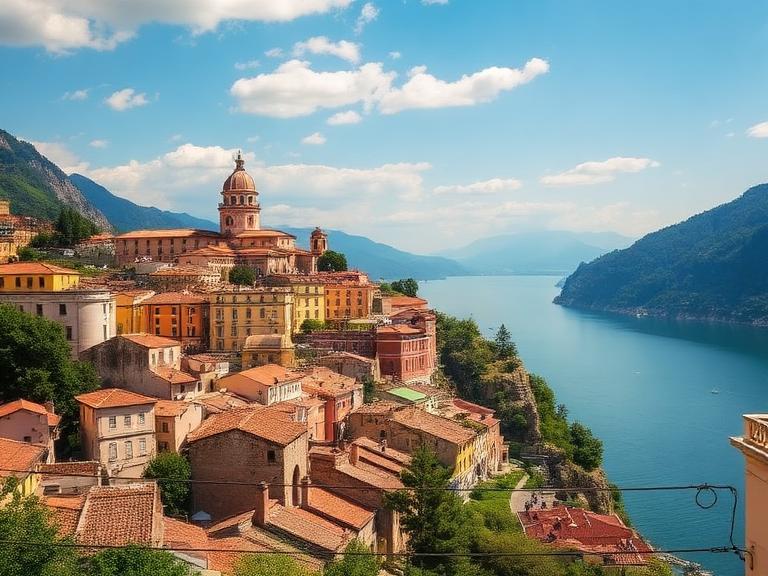
Italy feels like a living museum where every corner tells a story, and every street looks like it was painted by a Renaissance master. From ancient ruins to vibrant coastal towns, the diversity here is unmatched. You’re not just capturing photos—you’re capturing layers of history, culture, and emotion all in a single frame. Think about it: where else can you photograph Roman architecture, medieval villages, and turquoise coastlines within the same trip?
What makes Italy especially magical is how seamlessly these elements blend together. A crumbling stone wall might sit next to a chic café, while centuries-old cathedrals tower over modern city life. This contrast creates endless creative opportunities. Whether you’re a beginner or a seasoned photographer, Italy challenges you to experiment with composition, light, and storytelling.
And let’s talk about light—Italy has some of the most photogenic natural light in the world. The warm golden tones during sunrise and sunset add depth and emotion to every shot. It’s like nature itself is helping you edit your photos in real time.
Tourism Boom and Its Impact on Photography
Italy’s popularity isn’t slowing down anytime soon. In fact, tourism continues to surge, with over 268 million overnight stays recorded in 2025, reflecting a steady growth in travel demand . Cities like Venice, Rome, and Florence attract millions annually, making them both exciting and challenging for photographers.
Take Venice, for example. It welcomed nearly 5.9 million visitors in 2024, with international tourists making up about 87% of arrivals . That means crowded streets, packed viewpoints, and long waits for the perfect shot. But here’s the twist—crowds can also add life and narrative to your photos if used creatively.
The key is timing and perspective. Early mornings, late evenings, and off-season travel can help you capture iconic landmarks without the chaos. Alternatively, embrace the crowds as part of the story. A bustling piazza or a crowded canal can reflect the vibrant energy of Italy itself.
Venice Grand Canal Photography
Best Times to Shoot the Grand Canal
The Grand Canal is the heartbeat of Venice, and photographing it is like capturing the city’s soul. But timing is everything. Early morning, just after sunrise, offers soft light and fewer crowds. The water is calmer, creating mirror-like reflections that can elevate your photos from good to breathtaking.
Sunset is equally magical. The warm hues bouncing off historic buildings create a dreamy atmosphere that feels almost surreal. Night photography is another underrated option. With lights reflecting on the water and gondolas gently gliding by, the canal transforms into a cinematic masterpiece.
Hidden Angles and Gondola Shots
While the Rialto Bridge is a popular spot, don’t limit yourself to the obvious viewpoints. Wander through smaller bridges and side canals to find unique perspectives. Sometimes, the best shots come from places you didn’t plan to visit.
If you’re up for it, consider taking a gondola ride. It’s not just a tourist experience—it’s a moving photography platform. You’ll get angles that are impossible to capture from land. Even budget alternatives like local crossings can provide incredible vantage points without breaking the bank.
Florence Viewpoints for Stunning Shots
Piazzale Michelangelo Sunrise Magic
When it comes to panoramic views, Piazzale Michelangelo is unbeatable. Arrive before sunrise, and you’ll witness Florence waking up under a soft golden glow. The iconic skyline, dominated by the Duomo, looks almost ethereal in the early light.
The beauty of this spot is its accessibility. You don’t need special permissions or equipment—just your camera and a bit of patience. As the sun rises, the city slowly reveals its details, offering endless opportunities for dynamic shots.
Duomo Views and Rooftop Perspectives
For a closer look, head to rooftops or climb the Florence Cathedral itself. From above, the intricate patterns of the city become more visible, creating a rich visual tapestry.
Rooftop cafés and terraces also provide unique angles. Imagine sipping coffee while capturing the city from a bird’s-eye view. It’s not just photography—it’s an experience.
Capturing the Roman Forum Ruins
Historical Depth Through the Lens
The Roman Forum is where history comes alive. Walking through these ruins feels like stepping back in time, and your camera becomes a tool to preserve that feeling.
Focus on details—the textures of ancient stones, the symmetry of columns, and the interplay of light and shadow. These elements add depth and storytelling to your images.
Lighting Tips for Ancient Architecture
Midday light can be harsh, so aim for early morning or late afternoon. The softer light enhances textures and reduces harsh shadows. Use leading lines, like pathways or rows of columns, to guide the viewer’s eye through the frame.
Amalfi Coast Travel Photography
Coastal Roads and Cliffside Villages
The Amalfi Coast is a dream for landscape photographers. Winding roads, colorful houses, and dramatic cliffs create a visual feast. Every turn reveals a new perspective, making it impossible to stop shooting.
Best Photo Stops Along the Coast
Positano is a must, but don’t ignore lesser-known spots. Small villages often offer quieter, more authentic scenes. Sunrise and sunset are again your best friends here, adding warmth and depth to coastal shots.
Tuscany Villages and Countryside
Rolling Hills and Golden Hour Magic
Tuscany is synonymous with postcard-perfect landscapes. Rolling hills, cypress trees, and golden fields create a painterly effect that’s hard to replicate anywhere else.
Hidden Villages Worth Exploring
Explore smaller villages for unique compositions. These places often have fewer tourists and more authentic charm, aligning with the growing trend of travelers seeking off-the-beaten-path experiences .
Vatican City Attractions Photography
St. Peter’s Basilica Interior Shots
St. Peter’s Basilica offers breathtaking interiors. Use wide-angle lenses to capture the grandeur, and pay attention to symmetry.
Capturing the Sistine Chapel Ethically
Photography rules are strict inside the Sistine Chapel, so always respect guidelines. Sometimes, the best memory isn’t a photo but the experience itself.
Colosseum Rome Photography Guide
Sunrise vs Night Photography
The Colosseum is iconic for a reason. Sunrise offers fewer crowds, while night photography highlights its dramatic lighting.
Composition Tips for Iconic Shots
Experiment with angles—shoot through arches, use reflections, or frame it with nearby structures. Creativity is key here.
Chianti Wine Tasting Experiences
Vineyard Landscapes and Lifestyle Shots
Chianti combines photography with sensory experiences. Capture vineyards stretching into the horizon, paired with rustic architecture.
Storytelling Through Food and Wine
Include people, food, and wine in your shots. These elements add life and narrative, turning simple photos into compelling stories.
Burano Colorful Houses Photography
Vibrant Streets and Reflections
Burano is a burst of color. Brightly painted houses reflect in canals, creating perfect symmetry.
Best Angles Without Crowds
Visit early morning or late afternoon for fewer people and softer light. Explore side streets for unique compositions.
Conclusion
Italy isn’t just a destination—it’s a visual journey that constantly surprises you. Every region, every city, and every street corner offers something new to capture. From the romantic canals of Venice to the rustic charm of Tuscany, the country invites you to slow down, observe, and create.
Photography in Italy isn’t about ticking off landmarks; it’s about telling stories. It’s about capturing the interplay of light and shadow, the rhythm of daily life, and the timeless beauty that defines this incredible country. Whether you’re chasing golden hour in Florence or framing the Colosseum at night, every shot becomes a memory worth keeping.
FAQs
1. What is the best time to visit Italy for photography?
Spring (April–June) and autumn (September–October) offer the best light, fewer crowds, and comfortable weather conditions.
2. Do I need special permits for photography in Italy?
Most public places don’t require permits, but tripods and commercial shoots may need special permission, especially in historic sites.
3. Which Italian city is best for street photography?
Venice and Florence are excellent choices due to their unique architecture and vibrant street life.
4. How can I avoid crowds in popular locations?
Visit early in the morning, travel during the off-season, or explore lesser-known areas nearby.
5. What camera gear is ideal for Italy travel photography?
A lightweight DSLR or mirrorless camera with a wide-angle lens and a prime lens is ideal for versatility.