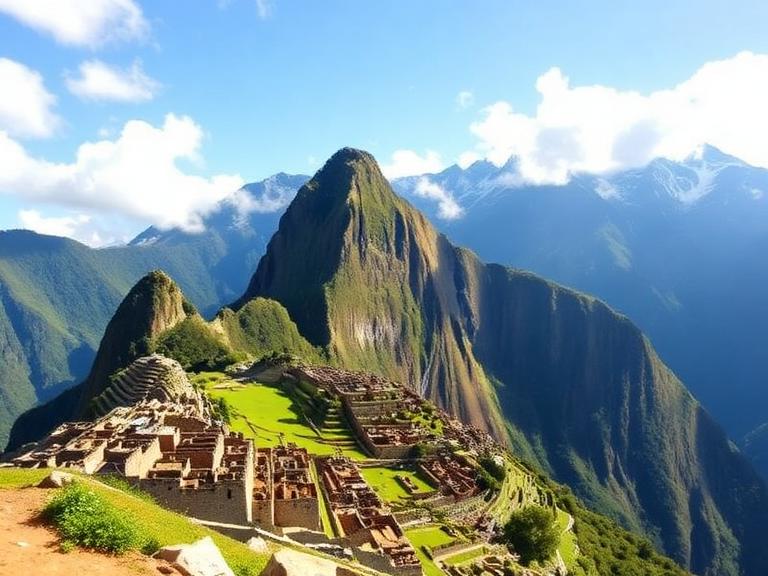
Machu Picchu isn’t just another travel destination—it feels like stepping into a living postcard carved high into the Andes. The moment you start planning a trek here, you realize it’s not only about reaching a destination but experiencing a journey that tests your body, mind, and curiosity. Trekking to Machu Picchu combines ancient history, dramatic landscapes, and raw adventure in a way few places on Earth can match. Whether you’re walking ancient Inca stone paths or climbing high-altitude mountain passes, every step feels meaningful.
What makes this journey even more special is that it’s not just one route or one experience. There are multiple ways to reach the legendary citadel, each offering a different level of challenge and scenery. Some trekkers want cultural immersion, others want raw mountain adventure, and some simply want the fastest scenic route. No matter which you choose, the experience is unforgettable and deeply rewarding.
Best Time to Trek Machu Picchu
Dry Season vs Wet Season
Timing your trek correctly can make or break your experience. The dry season, typically from May to September, is the most popular period because trails are clearer, skies are brighter, and visibility is excellent. However, this also means larger crowds and higher demand for permits and tours. On the other hand, the wet season (October to April) brings lush greenery and fewer tourists, but also slippery trails and unpredictable rain showers that can make trekking more challenging.
Monthly Weather Breakdown
June, July, and August are considered peak months with near-perfect trekking conditions but extremely competitive permit availability. Shoulder months like April, May, September, and October offer a balanced experience with fewer crowds and decent weather. If you’re a beginner, aiming for shoulder season can help you avoid overwhelming conditions while still enjoying great scenery.
Main Trekking Routes to Machu Picchu
Classic Inca Trail
The Classic Inca Trail is the most famous route and arguably the most iconic trekking experience in South America. It typically takes four days and passes through ancient archaeological sites, cloud forests, and high mountain passes. According to recent regulations, only about 200 trekkers are allowed daily, and permits often sell out months in advance due to strict limits.
This route is ideal for travelers who want a historical experience combined with adventure. The final entrance through the Sun Gate is unforgettable, especially at sunrise when Machu Picchu slowly emerges from the clouds.
Salkantay Trek
The Salkantay Trek is a more flexible alternative that doesn’t require permits but still delivers breathtaking scenery. It takes you through snow-capped mountains, tropical valleys, and remote villages. It is generally considered more physically demanding than the Inca Trail due to higher altitude sections and longer daily distances.
Lares Trek
The Lares Trek is perfect for beginners who want a cultural experience rather than extreme hiking challenges. It passes through traditional Andean communities, offering a glimpse into local life, weaving traditions, and agricultural practices. While less crowded, it still provides a meaningful route to Machu Picchu.
Short Inca Trail Option
The Short Inca Trail is a 2-day version of the classic route. It is ideal for beginners with limited time or those who want a taste of the Inca Trail without committing to the full trek. It still includes the famous Sun Gate entrance, making it a rewarding option.
Difficulty Level for Beginners
Physical Fitness Requirements
You don’t need to be an elite athlete, but basic fitness is essential. Expect long hiking days with steep climbs, uneven stone steps, and continuous movement for several hours. Cardiovascular endurance matters more than strength, so training with hiking, walking uphill, or stair climbing helps significantly.
Altitude Challenges
Altitude is the biggest challenge for most beginners. The trail reaches heights above 4,000 meters, where oxygen levels drop significantly. Even fit travelers can feel symptoms like headaches or fatigue. Recent field reports from trekkers highlight that altitude often affects people more than physical effort itself.
Permits and Entry Rules (2026 Update)
Inca Trail Permit System
Permits are mandatory for the Inca Trail and cannot be purchased directly by travelers. Only licensed operators can secure them, and they are tied to your passport. Once issued, they cannot be changed or transferred. Daily capacity limits make early booking essential, especially for peak months.
Machu Picchu Ticket Circuits
Machu Picchu now uses structured entry circuits instead of free roaming. Visitors must choose specific routes such as panoramic or classic circuits, each with timed entry slots. This system helps manage crowds but requires careful planning in advance.
Cost Breakdown for Trekking
Trekking costs vary widely depending on comfort level and tour operator.
| Category | Price Range (USD) | What You Get |
|---|---|---|
| Budget | $500–$800 | Basic camps, group tours |
| Mid-range | $800–$1200 | Better gear, smaller groups |
| Luxury | $1200–$2000+ | Premium service, private guides |
Hidden costs often include tips for porters, trekking gear rental, snacks, and travel insurance. Beginners should always budget extra for emergencies or upgrades.
Packing List for Beginners
Clothing Essentials
Layering is key. Weather changes quickly in the Andes, so bring thermal base layers, waterproof jackets, trekking pants, and warm hats. Cotton clothing should be avoided as it absorbs moisture.
Trekking Gear
A good backpack, trekking poles, comfortable hiking boots, and a reusable water bottle are essential. Trekking poles especially help reduce knee strain on steep descents.
Health & Safety Items
Carry altitude sickness medication if needed, sunscreen, insect repellent, and a basic first aid kit. The sun at high altitude is much stronger than expected.
Acclimatization Tips Before the Trek
Staying in Cusco or Sacred Valley
Spend at least 2–3 days in Cusco or nearby Sacred Valley before starting your trek. This helps your body adjust gradually to reduced oxygen levels. Many travelers underestimate this step, but it can make a huge difference.
Preventing Altitude Sickness
Drink plenty of water, avoid alcohol, and move slowly during your first days. Coca tea is commonly used locally to ease symptoms. Listening to your body is essential—pushing too hard early can ruin the entire trek.
Day-by-Day Trek Experience
What a Typical 4-Day Inca Trail Looks Like
Day one starts relatively easy with gentle terrain and gradual elevation gain. Day two is the toughest, often involving steep climbs like Dead Woman’s Pass. Day three transitions into cloud forest scenery with archaeological sites. Day four begins early, ending with the unforgettable sunrise entry through the Sun Gate into Machu Picchu.
Food, Water & Accommodation on the Trail
Camp life is surprisingly comfortable considering the remote environment. Meals are prepared by professional cooks and include soups, rice, vegetables, and local dishes. Drinking water is usually provided after filtration or boiling. Sleeping tents are set up at designated campsites, offering basic but safe accommodation.
Mistakes Beginners Should Avoid
Many beginners underestimate altitude, pack too much unnecessary gear, or fail to train properly. Another common mistake is booking too late and missing permits entirely. Overconfidence in physical fitness is also risky—altitude does not care how fit you are at sea level.
Expert Tips for a Successful Trek
Start training at least 6–8 weeks before your trip. Focus on hiking, cardio, and stair workouts. Pack light but smart. Choose a reputable tour operator. Most importantly, pace yourself—slow and steady wins this race. The mountains reward patience more than speed.
Conclusion
Machu Picchu trekking is not just a hike—it’s a layered experience of history, nature, and personal challenge. For beginners, preparation is everything. With the right route, proper acclimatization, and realistic expectations, this journey becomes one of the most rewarding adventures in the world. Every step toward the Sun Gate brings a sense of achievement that stays long after the trek ends.
FAQs
1. Is Machu Picchu trekking suitable for beginners?
Yes, but beginners should choose easier routes like the Short Inca Trail or Lares Trek.
2. How difficult is the Inca Trail?
It is moderately difficult, mainly due to altitude and steep climbs rather than distance.
3. Do I need a permit for all treks?
Only the Inca Trail requires permits; alternative treks like Salkantay do not.
4. How long should I acclimatize before trekking?
At least 2–3 days in Cusco or the Sacred Valley is recommended.
5. What is the best month to trek Machu Picchu?
May to September offers the best weather, but shoulder months are less crowded.