New Zealand is a breathtaking island nation tucked away in the southwestern Pacific Ocean, consisting primarily of two main landmasses—the North Island and the South Island—along with hundreds of smaller islands. It sits about 2,000 kilometers southeast of Australia, making it one of the most isolated developed countries in the world. This geographic isolation has played a massive role in shaping its unique ecosystems, culture, and even the personality of its people.
Despite its remote location, New Zealand has become a global hotspot for travelers, filmmakers, and nature enthusiasts. Its landscapes are so diverse that you can experience beaches, volcanoes, glaciers, and rainforests all within a relatively small area. The country’s population is just under five million people, which means there’s plenty of open space and unspoiled beauty to explore.
The remoteness also contributes to a sense of mystery and allure. Imagine living in a place where the nearest neighbor country is across a vast ocean—it’s like being on the edge of the world. Yet, despite this isolation, New Zealand is incredibly connected globally through tourism, trade, and culture.
Why New Zealand is So Unique
What makes New Zealand truly stand out isn’t just its location—it’s the combination of nature, culture, and innovation that creates something almost magical. Because of its isolation, the country evolved with very few land mammals, leading birds to dominate the ecosystem. This is why you’ll find so many flightless birds here, including the iconic kiwi.
Another factor that adds to its uniqueness is its rich cultural blend. Māori, the indigenous Polynesian people, have lived here for centuries, and their traditions remain deeply woven into everyday life. Add to that European, Pacific Island, and Asian influences, and you get a multicultural society that’s vibrant and welcoming.
New Zealand also punches above its weight globally. Whether it’s in sports, film production, or environmental conservation, this small nation consistently makes a big impact. It’s a place where modern innovation meets ancient traditions, creating a balance that feels both grounded and forward-thinking.
Geography and Climate Facts
Diverse Landscapes of New Zealand
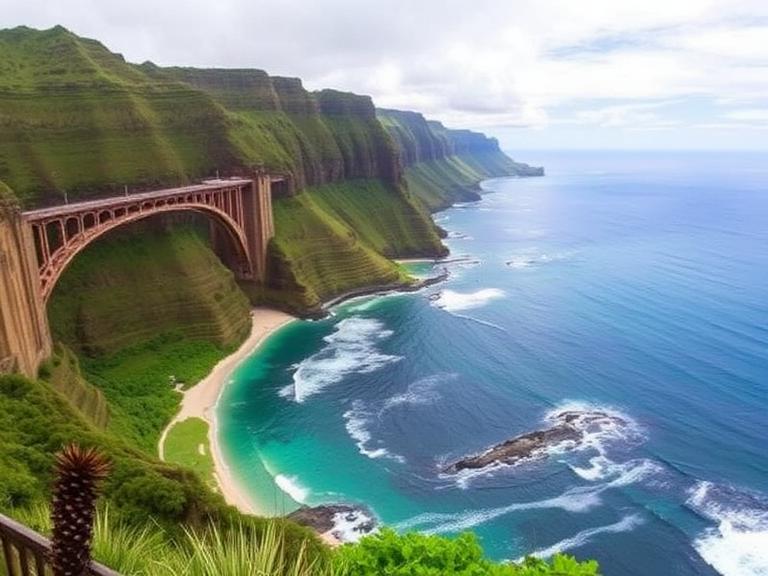
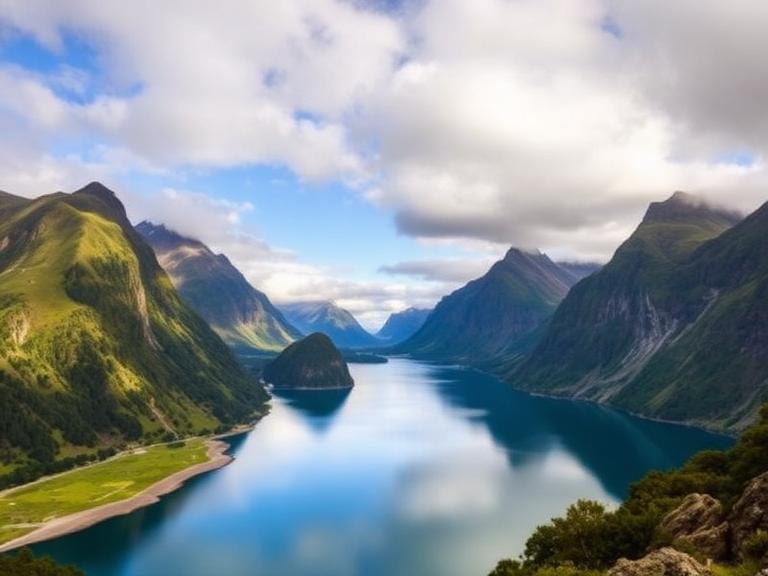
New Zealand’s landscapes are nothing short of extraordinary. Picture snow-capped mountains, lush green valleys, volcanic plateaus, and crystal-clear lakes—all packed into a relatively compact country. The Southern Alps stretch dramatically across the South Island, offering some of the most stunning alpine scenery in the world.
What’s fascinating is how quickly the scenery changes. You could be driving through rolling farmland one moment and suddenly find yourself surrounded by towering fjords or geothermal wonders the next. This diversity makes New Zealand a dream destination for photographers, hikers, and adventurers alike.
The country’s geological activity also adds to its uniqueness. Being part of the Pacific Ring of Fire, New Zealand has active volcanoes, hot springs, and geysers. These natural features not only shape the landscape but also create unforgettable experiences for visitors.
Climate Patterns Across Islands
New Zealand’s climate is as varied as its landscapes. Generally, the country experiences a temperate maritime climate, meaning mild temperatures and moderate rainfall throughout the year. However, the North and South Islands can feel like two completely different worlds.
The North Island tends to be warmer and more humid, with subtropical influences in some regions. Meanwhile, the South Island is cooler, especially in alpine areas where snow is common during winter. Seasonal differences are also reversed compared to the Northern Hemisphere, with summer running from December to February.
This variation allows travelers to enjoy a wide range of activities year-round. Whether it’s skiing in the mountains or relaxing on a sunny beach, New Zealand offers something for every season and every type of traveler.
History of New Zealand Facts
Māori Origins and Culture
The history of New Zealand begins with the Māori, who arrived from Polynesia over 700 years ago. They navigated vast ocean distances using traditional wayfinding techniques, eventually settling and developing a rich and complex culture.
Māori society was deeply connected to the land, with strong spiritual beliefs and traditions that emphasized harmony with nature. Their language, Te Reo Māori, remains an official language of New Zealand today, and cultural practices like the haka are recognized worldwide.
Their influence is still visible everywhere—from place names to art, ceremonies, and daily life. Understanding Māori culture is essential to truly appreciating New Zealand’s identity.
European Colonization and Modern Development
European settlers began arriving in the 18th and 19th centuries, bringing significant changes to the country. The signing of the Treaty of Waitangi in 1840 marked a pivotal moment, establishing British governance while recognizing Māori rights—though its interpretation remains debated.
Over time, New Zealand evolved into a modern, developed nation known for its progressive policies and high quality of life. Today, it stands as a multicultural society that continues to reconcile its past while embracing the future.
Fun Facts About Kiwis (People and Bird)
Why New Zealanders Are Called Kiwis
One of the most charming facts about New Zealand is that its people are nicknamed “Kiwis.” This nickname comes from the kiwi bird, a flightless bird native to the country and a national symbol.
The term gained popularity during World War I when New Zealand soldiers were referred to as “Kiwis,” and it has stuck ever since. Today, it’s a term of pride and identity for New Zealanders worldwide.
Unique Facts About the Kiwi Bird
The kiwi bird is unlike any other bird on Earth. For starters, it can’t fly, and its wings are so small they’re almost invisible. Instead of relying on sight, it uses its strong sense of smell—thanks to nostrils located at the tip of its beak, a feature unique among birds.
Here are some fascinating facts:
- There are only about 70,000 kiwi birds left, making them endangered.
- Kiwi eggs are enormous compared to the bird’s size—up to 20% of the female’s body weight.
- They are nocturnal and live in burrows, behaving more like mammals than birds.
It’s no wonder this quirky bird became a national icon—it perfectly represents New Zealand’s uniqueness.
New Zealand Wildlife Facts
Endemic Species and Biodiversity
New Zealand is a paradise for wildlife lovers, mainly because so many species found here exist nowhere else on Earth. This is due to millions of years of isolation, allowing unique plants and animals to evolve independently.
From rare birds to ancient reptiles like the tuatara, the biodiversity here is astonishing. Many species have adapted in unusual ways, such as losing the ability to fly due to the absence of predators.
Conservation Efforts
However, this uniqueness also makes New Zealand’s wildlife vulnerable. Introduced species like rats, stoats, and cats have threatened native animals, especially flightless birds like the kiwi.
Conservation efforts are a major priority, with over 90 community groups actively working to protect kiwi populations and other native species. These initiatives include predator control, habitat restoration, and breeding programs.
Tourism Highlights and Why Visit New Zealand
Top Attractions and Destinations
New Zealand offers an incredible range of attractions, from adrenaline-pumping adventures to serene natural escapes. Popular destinations include Queenstown, known as the adventure capital of the world, and Rotorua, famous for its geothermal activity and Māori culture.
Whether you’re into hiking, skiing, or simply soaking in scenic views, there’s no shortage of unforgettable experiences.
Tourism Growth and Statistics
Tourism plays a huge role in New Zealand’s economy. In fact, the country welcomed 3.58 million international visitors in the year ending February 2026, showing strong growth in recent years.
The sector contributes billions to the economy, with tourism expenditure reaching $44.4 billion and supporting over 300,000 jobs.
This steady growth highlights why New Zealand remains one of the world’s top travel destinations.
Conclusion
New Zealand is more than just a travel destination—it’s an experience that stays with you long after you leave. From its jaw-dropping landscapes and unique wildlife to its rich cultural heritage and welcoming people, every aspect of the country feels distinct and unforgettable.
Whether you’re drawn by the adventure, the tranquility, or the sheer curiosity of exploring a place so different from anywhere else, New Zealand delivers on every level. It’s a land where nature and culture coexist beautifully, offering something for everyone.
FAQs
1. Why is New Zealand so famous?
New Zealand is प्रसिद्ध for its stunning landscapes, unique wildlife, and adventure tourism activities like bungee jumping and hiking.
2. What is unique about New Zealand wildlife?
Many species are found nowhere else due to the country’s long isolation, including the kiwi bird and tuatara.
3. When is the best time to visit New Zealand?
The best time depends on your interests, but summer (December–February) is ideal for outdoor activities.
4. Why are New Zealanders called Kiwis?
They are named after the kiwi bird, a national symbol representing the country’s identity.
5. Is New Zealand expensive to visit?
It can be, but careful planning and budgeting can make it affordab