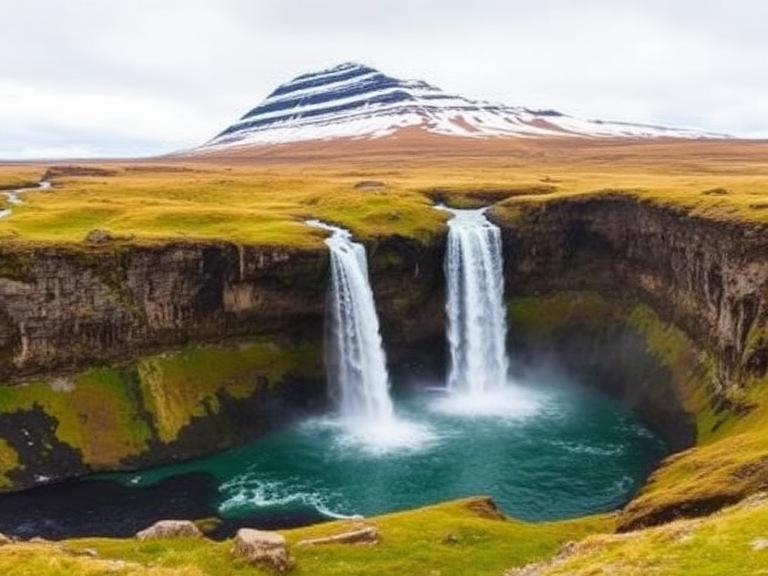
Iceland is one of those rare places on Earth that feels like it belongs to another planet. With steaming geothermal fields, massive glaciers, and erupting volcanoes, it’s no surprise this Nordic island nation is often described as surreal. Despite its remote location near the Arctic Circle, Iceland has rapidly become a global travel hotspot, attracting over 2.2 million visitors in 2023 alone . That’s more than six times its population, which already tells you something extraordinary is happening here.
What makes Iceland especially fascinating is the way it balances extremes. You’ll find fire and ice coexisting, long dark winters followed by endless summer daylight, and ancient traditions thriving in a modern, eco-conscious society. It’s not just a destination—it’s an experience that challenges your perception of nature and human adaptation.
Why Iceland Is Called the Land of Fire and Ice
The nickname “Land of Fire and Ice” isn’t just poetic—it’s scientifically accurate. Iceland sits on a geological hotspot where volcanic activity is constant, while at the same time, nearly 11% of the country is covered by glaciers. Imagine standing in a place where molten lava flows beneath the surface while ancient ice caps tower above you—that contrast defines Iceland.
This duality shapes everything—from landscapes and climate to culture and energy systems. Volcanoes create new land, while glaciers carve valleys and fjords, giving Iceland its dramatic terrain. It’s like nature’s own laboratory, constantly evolving and reshaping itself in real time.
Iceland Geography Facts
Unique Location on Tectonic Plates
Iceland is one of the only places in the world where you can physically stand between two continents. The country straddles the Mid-Atlantic Ridge, where the North American and Eurasian tectonic plates slowly drift apart. This geological feature is responsible for much of Iceland’s volcanic activity and geothermal energy.
Walking through certain areas feels like stepping into a science documentary. The land literally splits and shifts over time, creating fissures, valleys, and dramatic rock formations. It’s not every day you get to stand between continents and actually see Earth’s crust pulling apart.
Glaciers, Volcanoes, and Landscapes
Iceland’s terrain is incredibly diverse. You’ll encounter black sand beaches, lava fields, waterfalls, geysers, and snow-covered mountains—all within a relatively small area. The island spans about 103,000 square kilometers, yet it packs in more geological variety than many continents.
Only about 1% of Iceland is forested, making its barren yet beautiful landscapes even more striking . This sparse vegetation allows the raw geological features to dominate the scenery, creating a stark, almost otherworldly aesthetic that photographers and travelers can’t get enough of.
Iceland Volcanoes and Glaciers
Active Volcanoes and Their Impact
Iceland is home to around 200 volcanoes, many of which are still active . These volcanoes are not just natural wonders—they actively shape the country’s geography and even influence global air travel when eruptions occur.
Volcanic eruptions can be both destructive and creative. While they pose risks, they also contribute to Iceland’s fertile soil and geothermal energy resources. The country has learned to live with—and even benefit from—its volcanic nature.
Massive Glaciers and Ice Caps
Glaciers cover a significant portion of Iceland, with Vatnajökull being one of the largest ice caps in Europe. These glaciers are not just frozen landscapes; they are dynamic systems that move, melt, and reshape the land over time.
Glacial rivers, ice caves, and lagoons add to Iceland’s breathtaking beauty. However, climate change is affecting these glaciers, making them an important focus of environmental conservation efforts.
Iceland Hot Springs and Geothermal Energy
How Iceland Uses Renewable Energy
Iceland is a global leader in renewable energy. Nearly 100% of its electricity comes from renewable sources, primarily hydropower and geothermal energy . Around 90% of homes are heated using geothermal energy, making it one of the most sustainable countries in the world .
This reliance on clean energy isn’t just good for the environment—it also makes energy incredibly affordable for residents. Iceland has essentially turned its volcanic activity into an economic and environmental advantage.
Famous Hot Springs and Blue Lagoon
Hot springs are a major attraction in Iceland, and they’re not just for tourists. Locals regularly use them for relaxation and socializing. The most famous one, the Blue Lagoon, offers a spa-like experience with mineral-rich waters surrounded by lava fields.
These geothermal pools are heated naturally, meaning you can enjoy a warm bath even in freezing temperatures. It’s like nature’s own jacuzzi—no electricity required.
Iceland Tourism Highlights
Top Attractions and Natural Wonders
Iceland’s natural attractions are its biggest draw. From waterfalls like Gullfoss to geysers like Strokkur, every corner of the country offers something spectacular. The Golden Circle route is especially popular, combining several iconic sites into one unforgettable journey.
Travelers come here for adventure—glacier hiking, volcano tours, whale watching, and more. It’s a playground for nature lovers and thrill-seekers alike.
Growth of Tourism Industry
Tourism in Iceland has exploded over the past decade. Visitor numbers grew from 500,000 in 2010 to over 2.2 million in 2023 . This rapid growth has transformed the economy, making tourism one of its most important sectors.
Despite the increase in visitors, Iceland has focused on sustainable tourism, ensuring that its natural beauty remains preserved for future generations.
Reykjavik Travel Guide
What Makes Reykjavik Unique
Reykjavik, the capital of Iceland, is one of the cleanest and most eco-friendly cities in the world. Powered almost entirely by renewable energy, it offers a unique blend of modern living and natural beauty.
The city is known for its vibrant arts scene, colorful buildings, and friendly locals. Despite being a capital city, it feels small and welcoming—more like a cozy town than a bustling metropolis.
Iceland History and Vikings
Viking Origins and Settlement
Iceland was settled by Vikings in the 9th century, primarily from Norway. These early settlers brought their culture, language, and traditions, many of which still influence Icelandic society today.
The country’s history is deeply rooted in Norse mythology and storytelling. Ancient sagas continue to be an important part of Icelandic culture, preserving the legacy of its Viking ancestors.
Þingvellir National Park Facts
Historical and Geological Importance
Þingvellir National Park is one of Iceland’s most significant sites. It’s not only a geological wonder but also a historical landmark where the world’s first parliament was established in 930 AD.
The park lies in a rift valley between tectonic plates, making it both historically and scientifically important. It’s a place where history and geology intersect in a truly unique way.
Iceland Culture and Traditions
Customs, Language, and Lifestyle
Icelandic culture is a blend of ancient traditions and modern values. The Icelandic language has remained largely unchanged for centuries, allowing locals to read medieval texts with ease.
Traditions like storytelling, music, and festivals play a big role in everyday life. Despite its small population, Iceland has a rich cultural identity that continues to thrive.
Iceland Food Culture
Traditional Dishes and Modern Cuisine
Icelandic cuisine is heavily influenced by its environment. Seafood is a staple, along with lamb and dairy products. Traditional dishes like fermented shark may sound unusual, but they reflect the country’s history of survival in a harsh climate.
In recent years, Iceland’s food scene has evolved, blending traditional ingredients with modern culinary techniques. The result is a unique and exciting dining experience.
Iceland Population and Lifestyle
With a population of just over 370,000 people, Iceland is one of the least densely populated countries in Europe. Most people live in urban areas, particularly Reykjavik.
Despite its small size, Iceland boasts a high standard of living, low inequality, and a strong sense of community. Life here is peaceful, safe, and closely connected to nature.
Northern Lights and Midnight Sun
Natural Phenomena Explained
Iceland offers two of nature’s most magical experiences: the Northern Lights and the Midnight Sun. During winter, the sky comes alive with colorful auroras, while summer brings nearly 24 hours of daylight.
These phenomena create a unique rhythm of life, influencing everything from sleep patterns to daily activities.
Iceland Wildlife and Environment
Iceland’s wildlife may not be as diverse as other countries, but it’s still fascinating. From puffins and whales to Arctic foxes, the island is home to a variety of species adapted to its harsh environment.
Environmental conservation is a top priority, ensuring that these ecosystems remain protected.
Conclusion
Iceland is more than just a travel destination—it’s a living example of how nature and humanity can coexist in harmony. From its renewable energy systems to its breathtaking landscapes, the country offers endless inspiration and wonder.
FAQs
1. Why is Iceland famous for geothermal energy?
Because it sits on a volcanic hotspot, allowing it to harness underground heat efficiently.
2. When is the best time to see the Northern Lights in Iceland?
Between September and March, when nights are longest.
3. Is Iceland expensive to visit?
Yes, but the unique experiences often justify the cost.
4. What language do people speak in Iceland?
Icelandic, though most people also speak English.
5. Is Iceland safe for tourists?
Yes, it’s one of the safest countries in the world.